Mastering the Art of Audio Mixing: Essential Techniques for Music Production
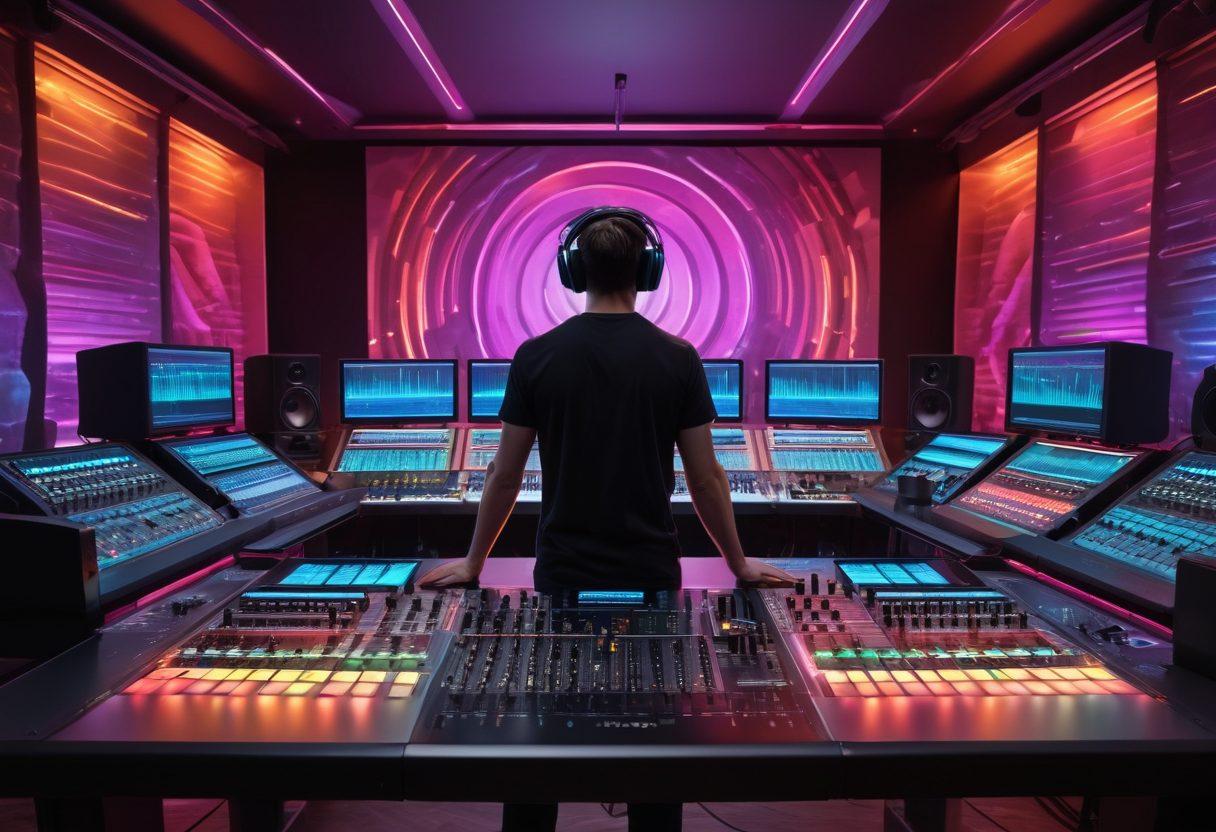
In the world of music production, the magic often happens not just during recording, but in the meticulous process of audio mixing. Imagine standing in a studio surrounded by the whir of machines, the glow of mixing consoles, and the compelling rhythms of sound manipulation swirling in the air; it's in these moments that you catch a glimpse of how your favorite tracks come to life. Unlocking the secrets of professional audio mixing can take your music from the amateur realm to the level of polished perfection that competitors yearn for. But what exactly are the essential techniques that every budding producer should know?
First and foremost, understanding mixing techniques is vital for any aspiring music engineer. Techniques like equalization, track layering, and sampling are not just technical jargon—they are the essential ingredients in creating a coherent mix. Take equalization, for example: by adjusting frequencies, you can craft space between varied audio tracks, allowing vocals to shine while the instrumental bed supports without overwhelming. What if you could transform muddy audio into crisp sounds just by manipulating equalization? That's the power of sound engineering! Every mix tells a story, and the choice of mixing algorithms can affect how that story is perceived by listeners.
One cannot underestimate the role of sound design in the mixing process. As you dive deeper into audio production, consider how every sound you choose has its own identity and emotion. For instance, implementing audio effects during audio editing can breathe life into your tracks. The right reverb might evoke the feeling of nostalgia, while a crisp delay can add intrigue. Think of your mix as a musical arrangement: each element needs careful placement. After all, have you ever realized that a perfectly timed audio effect can elevate a simple song into an anthem?
Moreover, the advancements in music software have revolutionized the way we approach mixing music today. Whether you’re engaged in studio recording or live sound, having the right tools at your fingertips can substantially enhance your creativity. Digital audio workstations (DAWs) now come with sophisticated features that not only simplify audio mastering but also offer a playground for sound synthesis. Are you creatively exploring the limitless possibilities emerging from technology in audio production, or do you feel restrained by traditional methods?
Finally, let’s not forget about the indispensable role of post-production in the mixing process. Utilizing techniques like multi-track recording can create complex layers, enhancing the depth of your sounds. As a music producer, it’s about constantly learning and evolving your craft. How can you incorporate the principles of audio mixing to make your next track a standout? Stay curious, experiment with live sound configurations, and understand that every element is connected within the greater tapestry of sound rhythm and music composition. In the end, mastering audio mixing isn’t just a skill; it’s an art form that offers endless opportunities for creative expression.
From Studio to Soundstage: Essential Mixing Techniques for Flawless Music Production
Imagine stepping into a world where every note, every rhythm, every nuance of sound comes together in harmony. If you've ever felt captivated by music, you know this magic doesn't just happen in the studio; it requires mastering the art of audio mixing. From studio to soundstage, the journey of sound engineering is nothing short of an art form. So, what are these essential mixing techniques that can elevate your music production from mere sound creation to a mesmerizing auditory experience?
At the heart of audio mixing lies the intricate dance of various elements — tracks, beats, vocals, and silence. You might ask yourself, 'How do I achieve that flawless sound I've always admired in my favorite music?' One answer is through a skillful understanding of mixing techniques. This includes track layering, where the most captivating audio tracks come together like a beautifully woven tapestry. Thinking about your musical arrangement and how each instrument interacts will take your audio production to a whole new level. How often have you found yourself looping a song just to unravel its complexity? This layers of sound are what make you hit the replay button.
Imagine yourself in a mixing console, surrounded by a rainbow of audio effects and mixing algorithms ready to be unleashed. With the right music software at your fingertips, you have the power to transform raw recordings into polished tracks. Just like a painter selects colors, in audio mixing, equalization ensures that every part of your mix occupies its own space in the sonic spectrum. As you manipulate sound through equalization, think about how professional audio engineers craft their masterpieces. Could you imagine the satisfaction of building a track that resonates with listeners on a profound level?
But what happens once you've created your beautiful sound? Welcome to the realm of post-production, where audio editing and mastering take the spotlight. Here, sound manipulation magic happens. You aren’t just finishing the tracks; you’re breathing life into them. Techniques such as sampling and sound synthesis become your best friends here, allowing you to sculpt that initially recorded sound into something unique. With each adjustment, you fine-tune the artistic essence of your music composition, creating a product that is not only ready for studio recording but can also thrive in live sound environments.
Finally, let’s talk about the emotions conveyed through sound rhythm and texture that resonate with listeners. As you embark on your journey of music engineering, remember that the goal of mixing music is to create an emotional connection. Utilize these example techniques: experimenting with multi-track recording to capture spontaneity or using audio effects to elevate dynamics. It’s not just about making your track sound good—it’s about sharing a story, a feeling, and a moment with the world. So, what story will your next mix tell? With commitment and practice, your masterpiece awaits!
Elevate Your Tracks: Innovative Audio Editing and Mixing Methods for Aspiring Sound Engineers
In the vast ocean of sound, the journey of a track from the first note to a polished, radio-ready gem can feel like navigating a turbulent sea. With the advent of digital audio and sophisticated music software, the world of audio production has transformed dramatically. Aspiring sound engineers and music producers now possess tools that allow for innovative audio editing and mixing techniques, which can elevate their tracks to incredible heights. But how can you, as a budding music creator, harness these techniques to make your mark? That's where we come in, exploring the essential methods to refine your craft and take your creations from the studio recording phase to the final mixing console masterpiece. Imagine this: you've just recorded a song that resonates with your soul, but it's missing that professional touch. That’s when the magic of audio mixing comes into play. It's not just about balancing the levels; it's about constructing a soundscape that brings your musical arrangement to life. Think of mixing music like painting on a canvas—the right audio effects, track layering, and sampling can create a masterpiece. Remember the words of Quincy Jones: "If I wasn’t a musician, I would be an artist in a gallery." Mixing is an art, one that can turn your average sound into a symphonic experience. So what mixing techniques can new audio engineers adopt? For starters, understanding equalization is a fundamental skill. EQ helps you carve out spaces in the audio spectrum for each instrument and voice, ensuring that every element of your track has its place. Imagine a crowded room where everyone speaks at once—chaotic, right? Now, picture each person taking turns and speaking clearly. That's the power of equalization! Additionally, layering tracks can add depth and dimension. Consider how an orchestra uses multiple instruments to create a rich sound; your tracks can benefit from similar layering techniques to achieve that fullness. When we delve into audio editing, it’s imperative to remember that less is often more. Over-processing can lead to a muddled sound; it’s about finding the delicate balance in sound manipulation. Incorporate mixing algorithms within your DAW to analyze and adjust levels intelligently. The integration of these algorithms can open doors to new avenues of creativity, allowing you to focus on crafting engaging melodies. Furthermore, don’t underestimate the role of post-production—it’s your chance to fine-tune everything before the final audio mastering process. This phase is where your track solidifies its core identity. As you embark on your sound engineering venture, ask yourself: What stories does your music tell? Think of each sound as a character in your narrative. Embrace the live sound experiences and the lessons they've instilled in you. There's no one-size-fits-all approach to audio production; experimentation is key. Dive into sound design, play with textures, and don't hesitate to step outside the traditional routes. Remember that every great musical composition began with an innovative idea, just waiting to be captured in a recording. So gear up, embrace these mixing methods, and let your sonic journey unfold!